LGBTQIA+ Therapy

Therapy That Celebrates You As You Are

Affirming, evidence-based care designed for people who identify as part of the Lesbian, Gay, Bisexual, Transgender, Queer, Intersex, Asexual, and more (LGBTQIA+) community. Whether you’re navigating identity, relationships, or simply daily life, we provide a space where you’re understood and empowered to thrive.

Did you know that LGBTQIA+ individuals are 2.5 times more likely to experience mental health challenges compared to their heterosexual peers?

At GearingUP, we’re working to change that narrative. LGBTQ+ therapy is a specialized form of mental health care that addresses the unique needs, experiences, and challenges faced by LGBTQIA+ individuals in a safe, affirming, and supportive environment.

LGBTQ+ therapy goes beyond traditional therapy by recognizing the impact of societal stigma, discrimination, and identity-related stress on mental health. Whether you’re navigating coming out, exploring your gender identity, coping with family rejection, or dealing with anxiety, depression, or trauma, our therapists are here to help you feel seen, heard, and supported.


What to Expect with LGBTQIA+ Therapy

  • Affirming Care: Our therapists are trained in LGBTQIA+ issues and celebrate all identities and orientations.
  • Safe Space: We provide a judgment-free zone where you can be your authentic self.
  • Specialized Expertise: Many of our clinicians identify as LGBTQIA+ and bring personal and professional understanding to their work.
  • Holistic Support: We address not just mental health symptoms but also the social, emotional, and cultural factors that impact your well-being.

Whether you’re seeking individual therapy, couples counseling, or other support, we’re here to help you thrive—just as you are.

Types of Therapy for LGBTQIA+ Clients at GearingUP

At GearingUP, virtually all of our therapies and clinical offerings are available to LGBTQIA+ clients. We are committed to providing supportive, inclusive care that celebrates your identity and addresses the mental health needs of the LGBTQIA+ community. Below, we’ve highlighted how some of our therapies can be specifically tailored to support LGBTQIA+ individuals, couples, and families.

Cognitive Behavioral Therapy (CBT)

CBT helps clients identify and change negative thought patterns and behaviors that contribute to emotional distress. For LGBTQIA+ individuals, CBT can address many issues including internalized homophobia, transphobia, or anxiety related to coming out and living openly. Research shows that CBT is effective in reducing symptoms of depression and anxiety, with 50-75% of clients experiencing significant improvement (APA, 2020). It’s particularly valuable for building self-acceptance and coping with stressors.

Dialectical Behavior Therapy (DBT)

DBT focuses on emotional regulation, distress tolerance, and interpersonal effectiveness. For LGBTQIA+ clients, DBT can help manage the intense emotions that often arise from discrimination, rejection, or identity-related stress. Studies show that DBT reduces self-harm and suicidal ideation, which are disproportionately high in LGBTQIA+ populations (NIMH, 2021). It’s a powerful tool for building resilience and improving relationships.

Acceptance and Commitment Therapy (ACT)

ACT encourages clients to accept their thoughts and feelings while committing to actions aligned with their values. For LGBTQIA+ individuals, ACT can help navigate identity exploration, societal pressures, and self-acceptance. Research indicates that ACT improves psychological flexibility and reduces symptoms of anxiety and depression, making it a valuable approach for living authentically (Journal of Contextual Behavioral Science, 2019).

EMDR Therapy

EMDR (Eye Movement Desensitization and Reprocessing) is a trauma therapy that helps clients process and heal from traumatic experiences. For LGBTQIA+ individuals, EMDR can address trauma related to discrimination, violence, or family rejection. Studies show that 77% of clients experience significant symptom reduction after just 6-8 sessions (EMDRIA, 2020). It’s particularly effective for resolving trauma and restoring emotional well-being.

Emotion Focused Therapy (EFT)

EFT helps clients understand and transform their emotional responses to improve relationships. For LGBTQIA+ couples, EFT can address challenges like communication, intimacy, or navigating societal pressures. Research shows that EFT improves relationship satisfaction in 70-75% of couples (ICEEFT, 2021). It’s a powerful approach for building stronger, more connected relationships.

Mindfulness-Based Cognitive Therapy (MBCT)

MBCT combines mindfulness practices with cognitive therapy to prevent relapse of depression and anxiety. For LGBTQIA+ clients, MBCT can help manage stress related to discrimination or identity exploration. Studies show that MBCT reduces relapse rates by 43% in individuals with recurrent depression (Oxford Mindfulness Centre, 2020). It’s a valuable tool for fostering self-compassion and emotional balance.

Cognitive Processing Therapy (CPT)

CPT is a trauma therapy that helps clients challenge and reframe negative beliefs about their experiences. For LGBTQIA+ individuals, CPT can address trauma related to coming out, bullying, or violence. Research shows that CPT significantly reduces PTSD symptoms in 80% of clients (APA, 2021). It’s particularly effective for reclaiming a sense of safety and control.

Exposure and Response Prevention Therapy (ERPT)

ERPT is used to treat OCD and anxiety by gradually exposing clients to feared situations while preventing compulsive responses. For LGBTQIA+ individuals, ERPT can address anxiety related to identity or societal judgment. Studies show that ERPT reduces OCD symptoms in 60-80% of clients (IOCDF, 2020). It’s a powerful approach for breaking free from fear and shame.

LGBTQIA+ Family Therapy

Family therapy helps LGBTQIA+ individuals and their families navigate coming out, improve communication, and build acceptance. Research shows that family support reduces the risk of depression and suicide in LGBTQIA+ youth by 40% (Trevor Project, 2021). It’s a vital approach for fostering understanding and strengthening family bonds.

LGBTQIA+ Marriage and Relationship Therapy

This therapy addresses unique challenges faced by LGBTQIA+ couples, such as communication, intimacy, or navigating societal pressures. Studies show that couples therapy improves relationship satisfaction in 70% of cases (AAMFT, 2020). It’s a valuable tool for building stronger, more resilient partnerships.

Trauma Therapy and Trauma-Informed Therapy

Trauma therapy addresses the impact of discrimination, violence, or rejection on mental health. For LGBTQIA+ individuals, trauma-informed care provides a safe space to heal and rebuild trust. Research shows that trauma therapy reduces PTSD symptoms in 75% of clients (NCTSN, 2021). It’s essential for restoring emotional well-being.

Prolonged Exposure Therapy (PE)

PE helps clients confront and process traumatic memories to reduce their emotional impact. For LGBTQIA+ individuals, PE can address trauma related to hate crimes or family rejection. Studies show that PE reduces PTSD symptoms in 80% of clients (APA, 2021). It’s a powerful approach for reclaiming a sense of safety.

Mindfulness-Based Therapies

This therapy uses mindfulness practices to reduce stress and improve emotional regulation. For LGBTQIA+ clients, it can help manage identity-related stress and build self-acceptance. Research shows that mindfulness reduces anxiety and depression symptoms by 30-40% (Mindful, 2020). It’s a valuable tool for fostering inner peace.

Art and Expressive Therapies

These therapies use creative methods (e.g., art, music, drama) to help LGBTQIA+ clients express emotions and explore their identities. Studies show that art therapy improves emotional well-being in 70% of participants (American Art Therapy Association, 2021). It’s particularly effective for those who struggle with verbal expression.

Intersectional Therapy

Intersectional therapy explores how multiple identities (e.g., race, gender, sexuality) impact mental health. For LGBTQIA+ clients, it provides a holistic approach to understanding and addressing their unique challenges. Research shows that intersectional therapy improves self-esteem and reduces minority stress (Journal of Counseling Psychology, 2020). It’s essential for fostering a sense of wholeness and belonging.

Internalized Oppression Therapy

Internalized Oppression Therapy helps LGBTQIA+ individuals recognize and challenge internalized homophobia, transphobia, or other forms of self-directed stigma that arise from societal discrimination. This therapy focuses on unpacking negative beliefs about one’s identity and replacing them with self-acceptance and empowerment. Research shows that addressing internalized oppression significantly improves self-esteem and reduces symptoms of anxiety and depression in LGBTQIA+ individuals (Journal of Homosexuality, 2020). It’s a vital approach for fostering self-love and resilience in the face of societal pressures.

When Should LGBTQIA+ Clients Consider Therapy

Therapy can be a transformative tool for LGBTQIA+ individuals, offering support, clarity, and empowerment during life’s challenges. Here are some key reasons to consider therapy and why starting today can make a difference:

Exploring Who You Are

If you’re questioning your sexual orientation, exploring your identity, or navigating other questions, therapy can provide a safe and affirming space to explore who you are. A therapist can help you navigate the complexities of identity, build understanding and confidence, and make informed decisions about your journey. Whether you’re considering social, medical, or legal steps, therapy can offer guidance, emotional support, and resources to help you thrive as your authentic self.

Coping with Discrimination or Stigma

LGBTQIA+ individuals often face discrimination, microaggressions, or societal stigma, which can lead to stress, anxiety, or feelings of isolation. Therapy can help you process these experiences, develop coping strategies, and build resilience. By working with a therapist who understands the unique challenges of the LGBTQIA+ community, you can learn to navigate these difficulties while protecting your mental health and well-being.

Healing from Trauma or Family Rejection

Many LGBTQIA+ individuals experience trauma, bullying, or family rejection related to their identity. These experiences can leave deep emotional wounds and impact your sense of safety and self-worth. Therapy provides a supportive environment to process these painful experiences, set healthy boundaries, and begin the healing process. Whether you’re dealing with past trauma or current challenges, therapy can help you reclaim your sense of safety and belonging.

Managing Anxiety, Depression, or Internalized Oppression

LGBTQIA+ individuals are at higher risk for anxiety, depression, and internalized shame due to minority stress—the chronic stress of living in a society that often marginalizes or invalidates your identity. Therapy can help you challenge negative beliefs, manage symptoms, and cultivate self-acceptance. By addressing the root causes of your distress, therapy can empower you to live a more fulfilling and authentic life.

Improving Relationships

Relationships can be a source of both joy and challenge, especially when navigating societal pressures or communication barriers. Therapy can help you and your partner(s) improve communication, resolve conflicts, and build stronger, more fulfilling connections. For families, therapy can foster understanding and acceptance, helping loved ones navigate coming out or other identity-related changes. Whether you’re single, in a relationship, or part of a family, therapy can help you create healthier, more supportive relationships.

Simply Needing Support

You don’t need a specific reason to seek therapy. If you’re feeling overwhelmed, stuck, or just want someone to talk to, therapy provides a safe and nonjudgmental space to explore your thoughts and feelings. A therapist can help you gain clarity, develop coping skills, and work toward your goals. Sometimes, the most powerful step you can take is simply reaching out for support.

Why Start LGBTQIA+ Therapy Today?

Therapy isn’t just for crises—it’s a proactive step toward understanding yourself, improving your mental health, and building a life that feels authentic and fulfilling.

At GearingUP, our LGBTQIA+ affirming therapists are here to support you every step of the way. Taking the first step today can lead to lasting change and a brighter tomorrow.

How LGBTQIA+ Therapy Works At GearingUP

Reach Out and Connect

The first step is reaching out to our office. Whether by phone, email, or our website, our team will guide you through the enrollment process and answer any questions you have. We’ll match you with a therapist who understands LGBTQIA+ issues and aligns with your needs.

Initial Consultation

Your therapist will schedule an initial consultation to discuss your concerns, goals, and any specific needs related to your identity or experiences. This is a chance to get to know your therapist and ensure you feel comfortable and supported.

Create a Customized Plan

Based on your initial consultation, your therapist will create a personalized treatment plan tailored to your unique needs. Whether you’re working through recent stressors, healing from trauma, or improving relationships, your plan will be designed to help you achieve your goals.

Begin Therapy Sessions

Therapy sessions are a safe, nonjudgmental space to explore your thoughts, feelings, and experiences. Your therapist will use evidence-based approaches to help you gain insight, develop coping skills, and work toward your goals. LGBTQIA+ clients often find this space especially valuable for discussing identity-related challenges in a supportive environment.

Ongoing Support and Adjustments

Therapy is a dynamic process, and your therapist will regularly check in to assess your progress and adjust your treatment plan as needed. Whether you’re navigating new challenges or celebrating milestones, your therapist will be there to support you every step of the way.

Build Resilience and Empowerment

Over time, therapy can help you build resilience, self-acceptance, and empowerment. Many LGBTQIA+ clients find that therapy not only addresses immediate concerns but also fosters long-term growth and well-being.

Gradual Transition or Ongoing Care

Depending on your goals, you may gradually transition out of therapy or continue with ongoing care to maintain your progress. Your therapist will work with you to create a plan that supports your long-term mental health and success.

Let's Get Started

Our Clinicians Specialize In LGBTQIA+ Therapy

Our team provides affirming, identity-affirming therapy for LGBTQIA+ individuals, couples, and families. We create a safe, inclusive space for exploring gender identity, sexuality, relationships, and self-acceptance. Using evidence-based approaches (CBT, DBT, trauma-informed care), our clinicians support clients in navigating life transitions, reducing anxiety and shame, and building confidence in living authentically.

Blanca Rodriguez, LPC Associate, LCDC-I

Yazmin Rodriguez, LPC Associate

Photo of Ruqiya Barreh, LMSW

Ruqiya Barreh, LMSW

Photo of Matthew Balli, LPC

Matthew Balli, LPC

Photo of Alisha Garcia, LPC

Alisha Garcia, LPC

Photo of Antonette Anuwe, LPA

Antonette Anuwe, LPA

Photo of Dr. Sylvia Gearing

Dr. Sylvia Gearing

Photo of June Holcomb, LPC-S, LCDC

June Holcomb, LPC-S, LCDC

Photo of Maggie Smith, LPC

Maggie Smith, LPC

Photo of Melissa Woods, LPC-S, LPA

Melissa Woods, LPC-S, LPA

Photo of Dr. Nathalie Martinez Raper, LPC-S

Dr. Nathalie Martinez Raper, LPC-S

Photo of Omari Smith, LPC

Omari Smith, LPC

Photo of Tammera McClenton, LPC

Tammera McClenton, LPC

Photo of Dr. Milton Gearing

Dr. Milton Gearing

Locations GearingUP Offers LGBTQIA+ Therapy

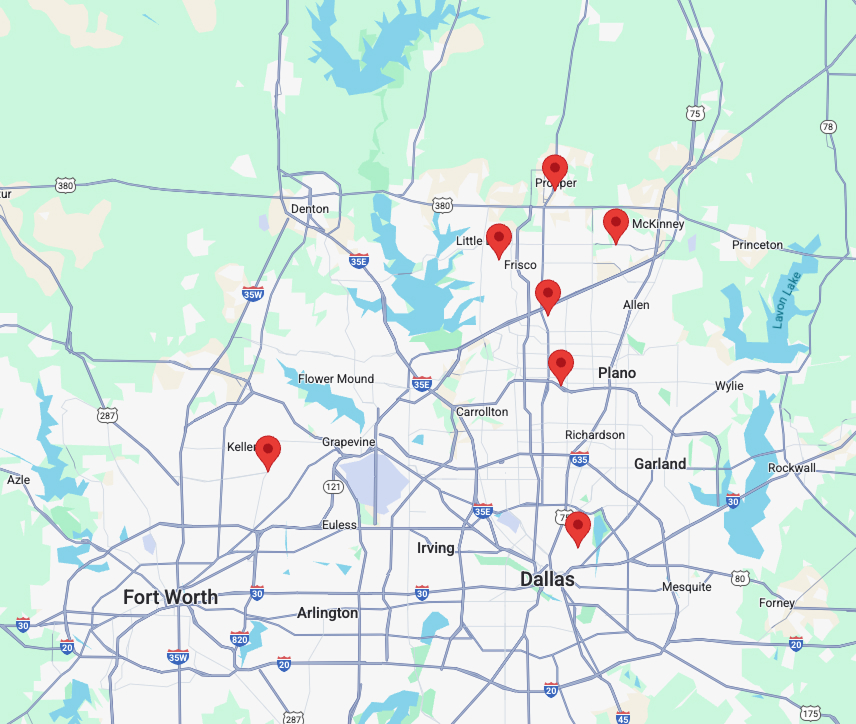
GearingUP provides LGBTQIA+-affirming therapy and psychiatric care across the Dallas–Fort Worth area. Our clinicians offer a safe, supportive space for individuals exploring gender identity, sexuality, and self-expression, as well as for those seeking help with anxiety, depression, or relationship concerns. With offices in Plano, Dallas, Frisco, McKinney, Prosper, and North Richland Hills, inclusive and compassionate care is always nearby.

Locations Map